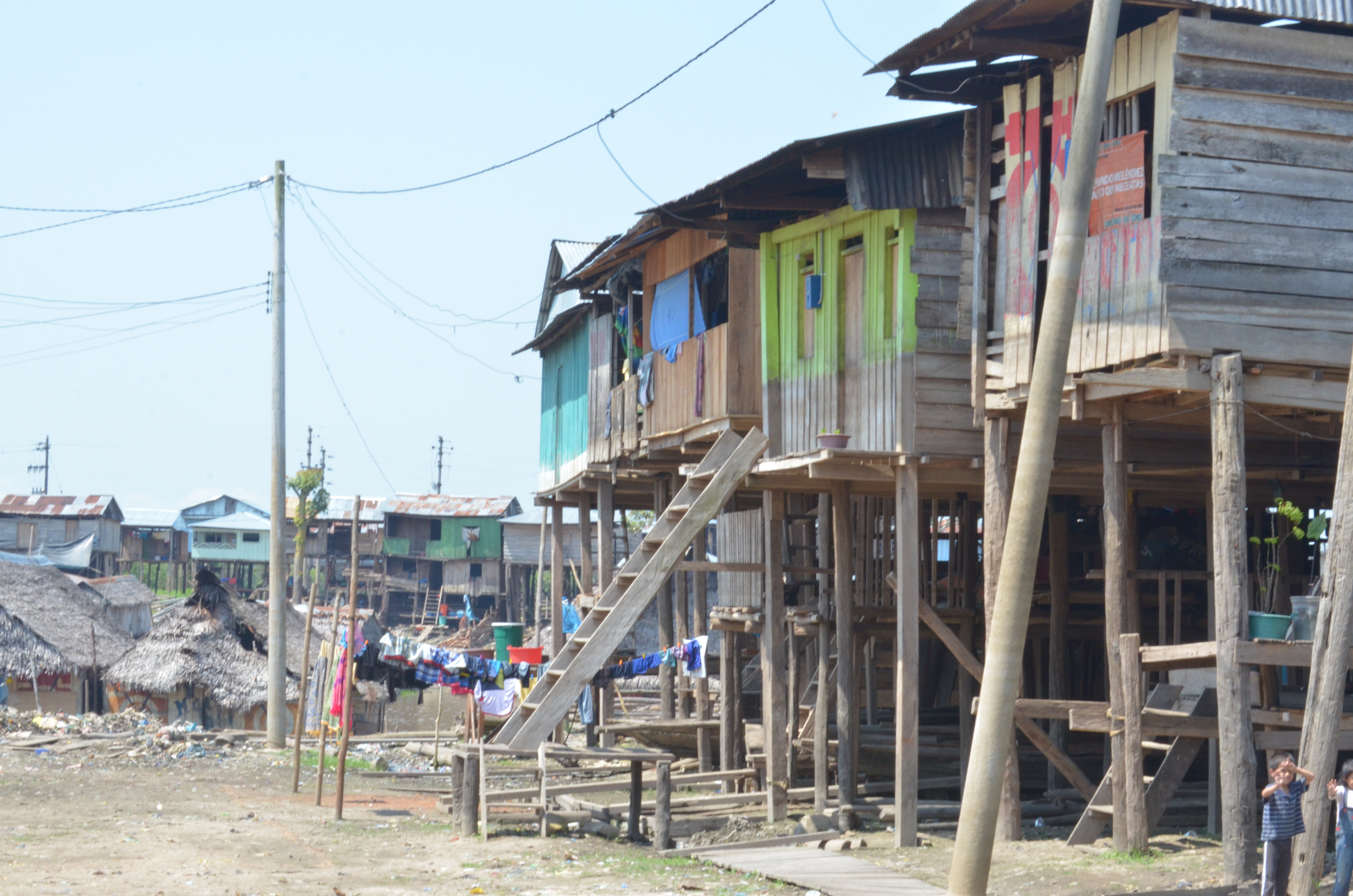
Iquitos itself is not the nicest city to visit. And the Belen part is perhaps the most famous part of the city for its poverty. We had not originally planned on visiting it but after our change of plans with our Amazon jungle tour we found ourselves with an extra day in Iquitos and decided to add it to the list.
There are two main parts of Belen to see- the neighborhoods with floating houses and the market. I had read a lot of mixed reviews online saying how dangerous it can be in Belen and to never go there without a guide. They went so far as to say avoid all contact when there, for sure leave all money and bags at home and don’t even bother bringing a camera of phone to take photos unless you wanted it stolen. Pablo and I aren’t usually very intimidated by these sorts of reviews and scenarios, we’ve never had a problem with any sort of theft during our travels. But after spending a few days in Iquitos itself I already didn’t feel the most comfortable there and we agreed that if we were going to go to the rather bad parts of the city it was probably better to play it safe this time around. We tried looking online for guides to hire but couldn’t find very much information at all. So we decided to ask the front desk of our hotel for advice. The woman working there said she knew someone who took tourists to Belen and within 15 minutes he had arrived at the hotel ready to take us.

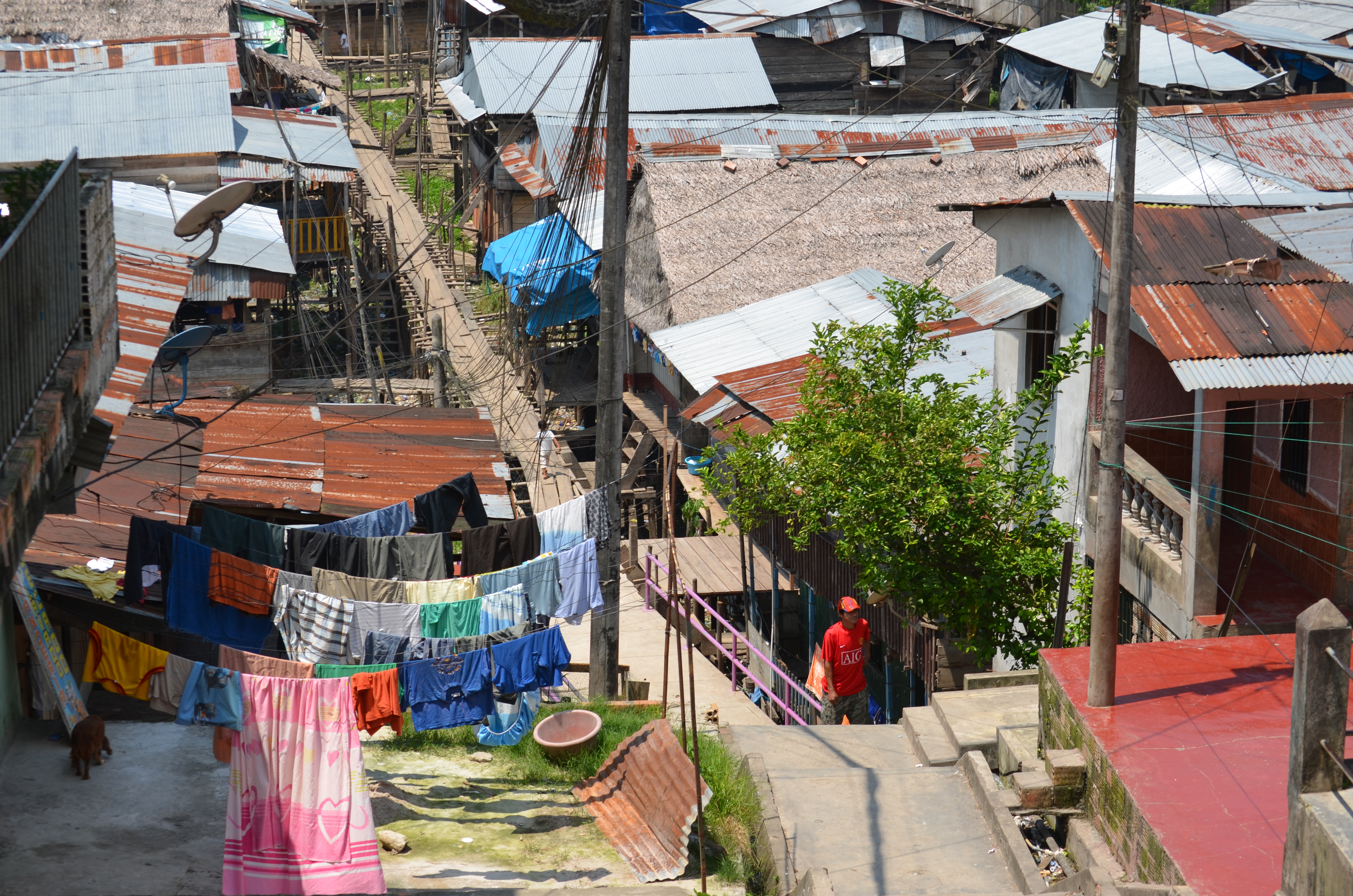
We hopped into his motortaxi and off we went to visit the neighborhood first. He told us that it’s not smart to be in the area after 3:00pm, so if you do plan to go make sure it’s early in the day. After that a lot of drug deals start and prostitution is everywhere. Iquitos also has a big problem with child sex trafficking so it was interesting to learn all about Belen but also very sad. The homes are in such disarray it was by far the poorest area I’ve ever seen, even more so than my time as a missionary in Honduras. Children seemed happy enough all laughing and waving and smiling as we passed, but everywhere was just covered in piles of garbage. It smelled bad and it was difficult wading through the garbage at times. We made our way on foot towards the waterfront where our guide got us a canoe to take us around to see the neighborhood.

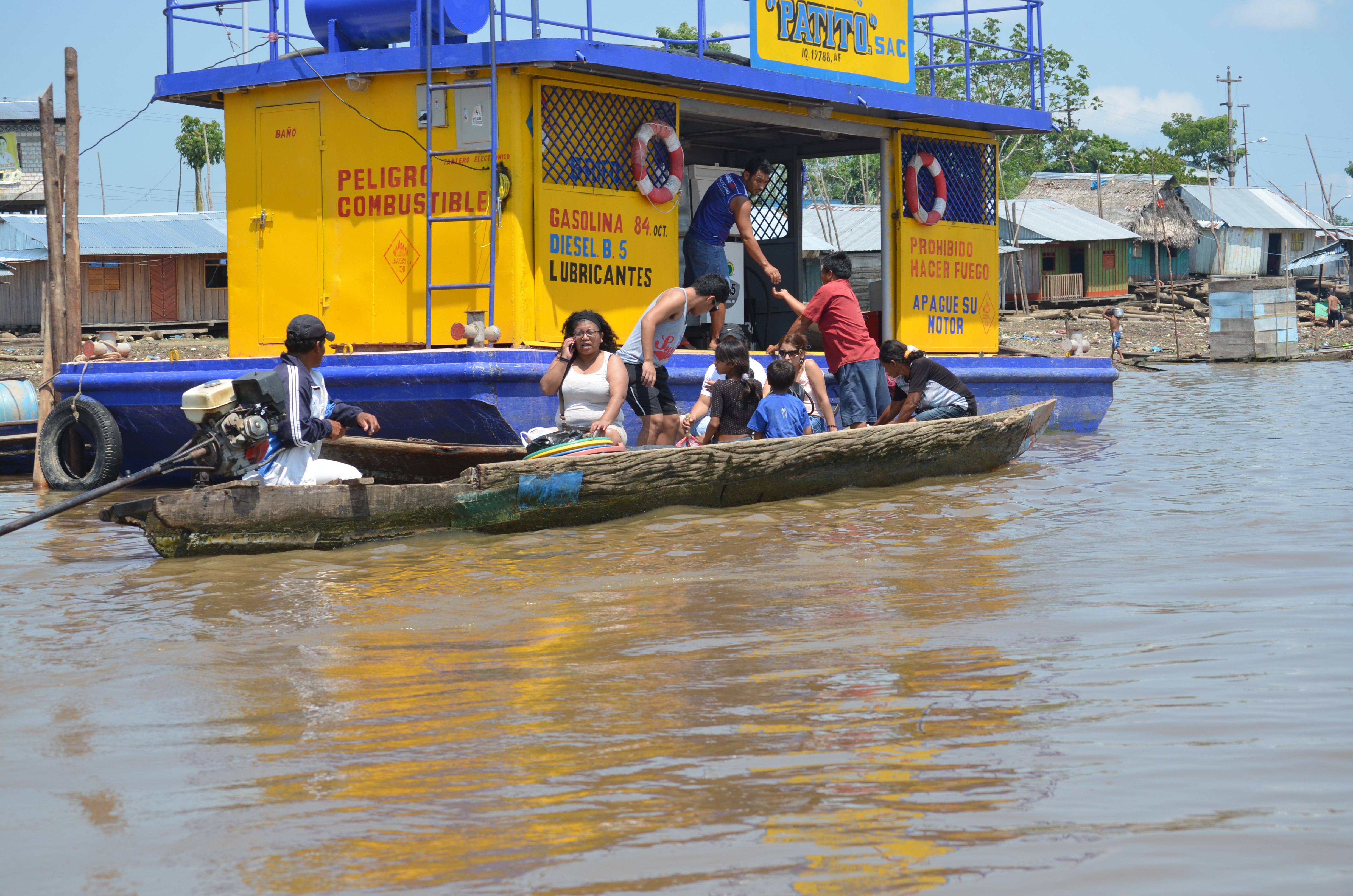
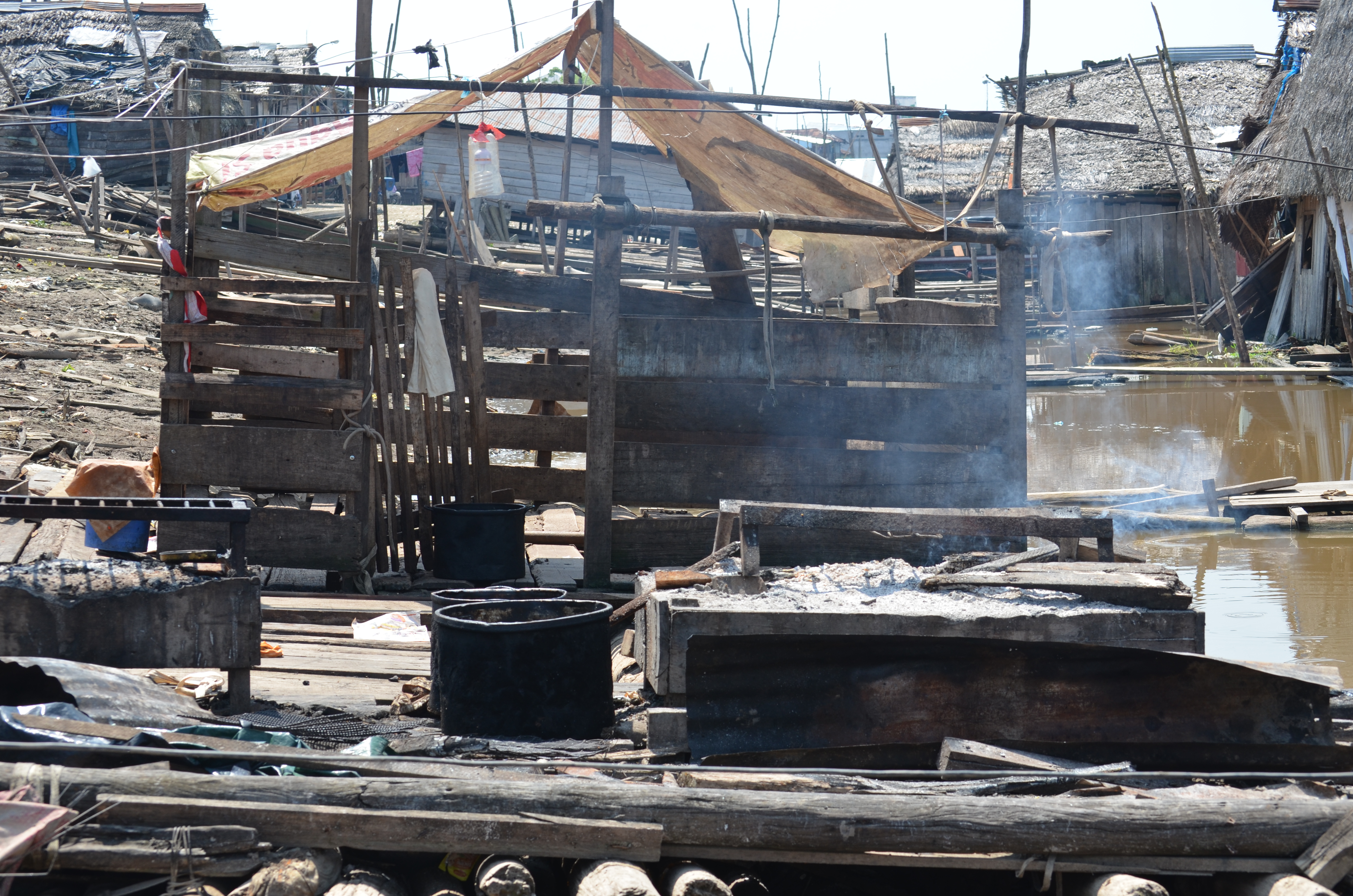
The homes are built on stilts so that they can raise with the river during the rainy season. We were there during the dry season so nothing was up too high, but it was interesting to see how they were tied on to the poles. Water levels raise by many feet and at that time it’s really only possible to navigate the town by boat. We passed by so many homes that looked like they could fall to pieces at any moment, churches built right on the water and even some “grocery stores” with food being sold out of canoes. Floating gas stations are available all along the way as well. It was quite the cultural experience to see, though not something I’d like to return to.
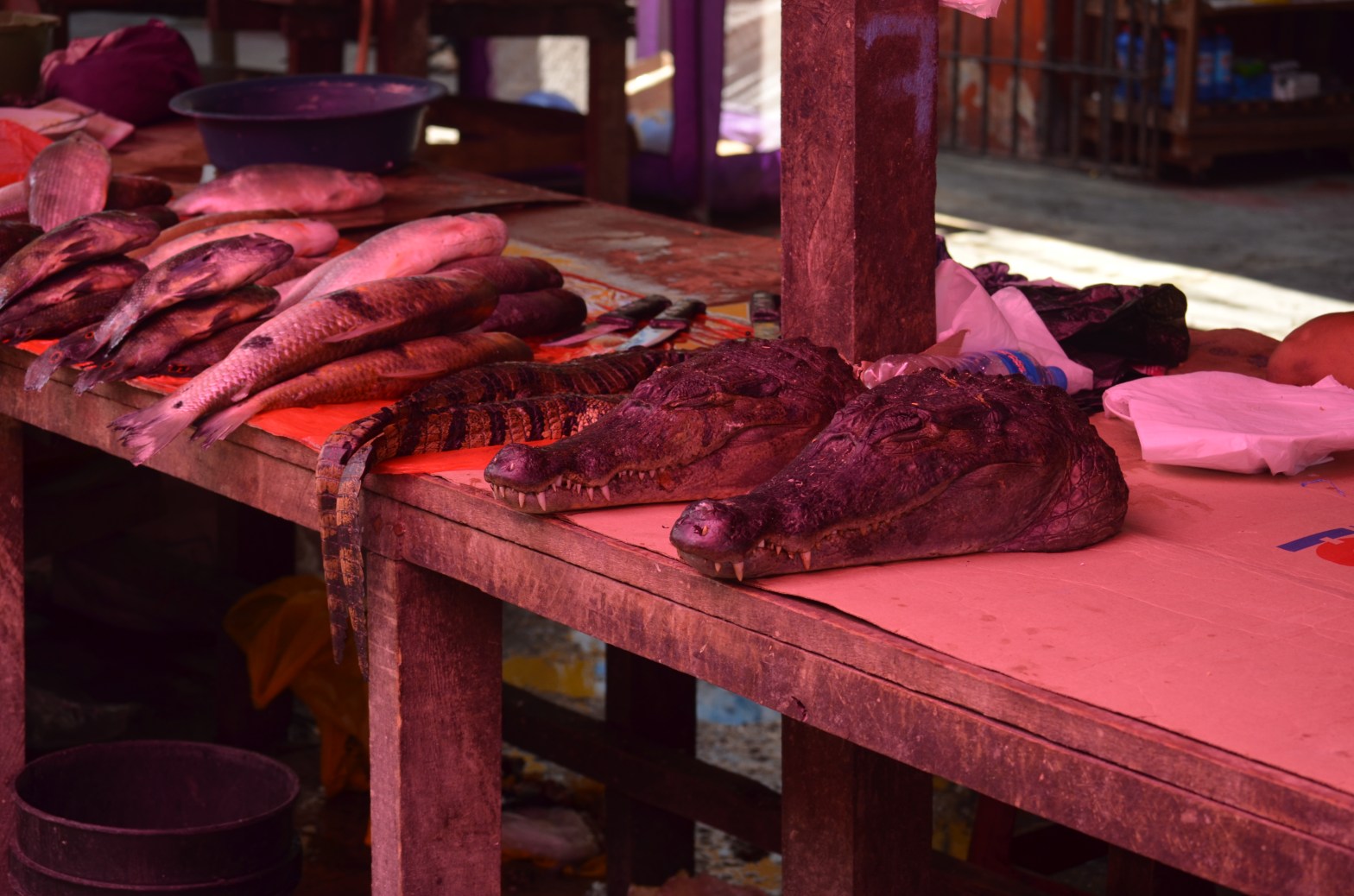
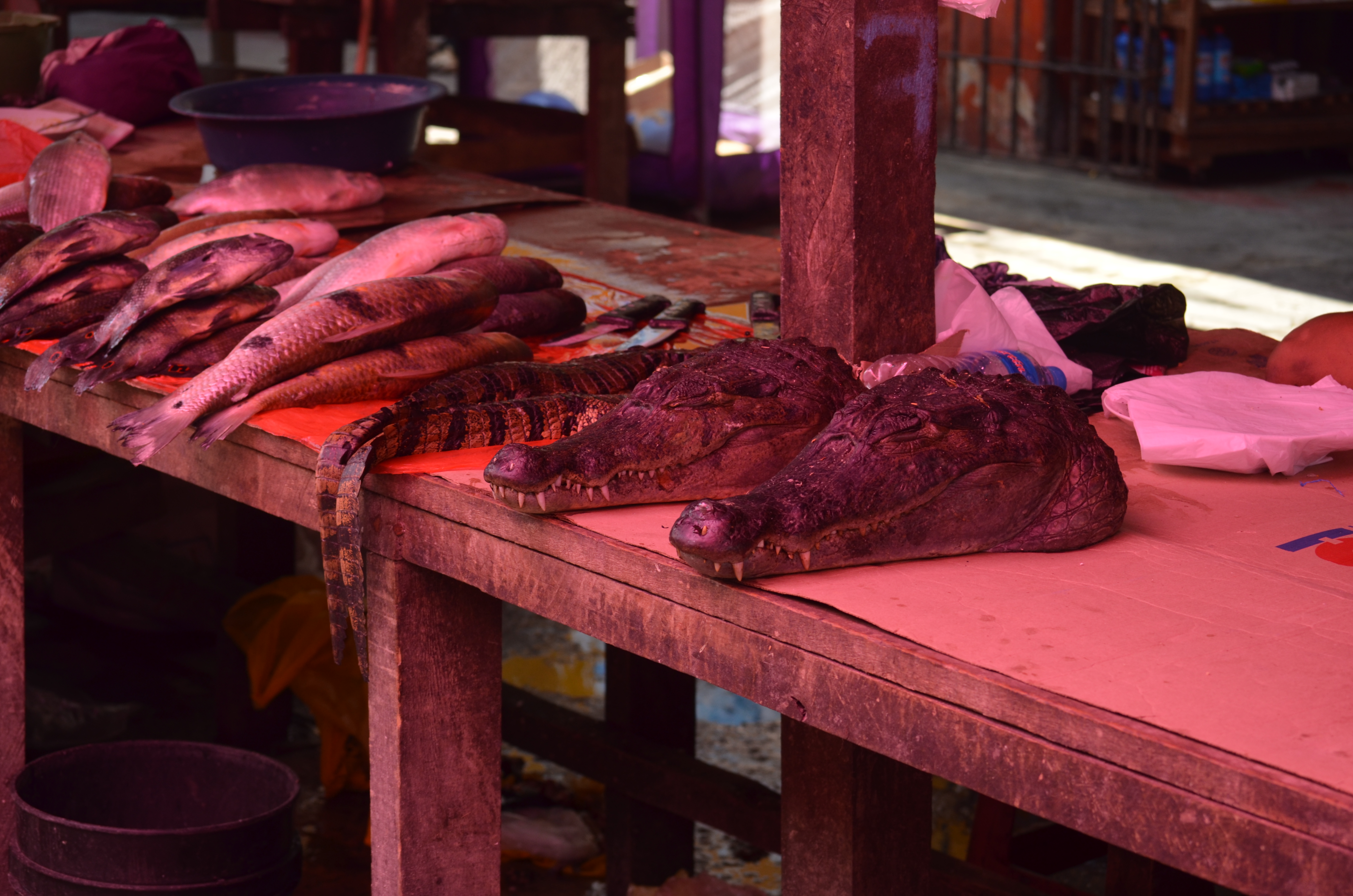
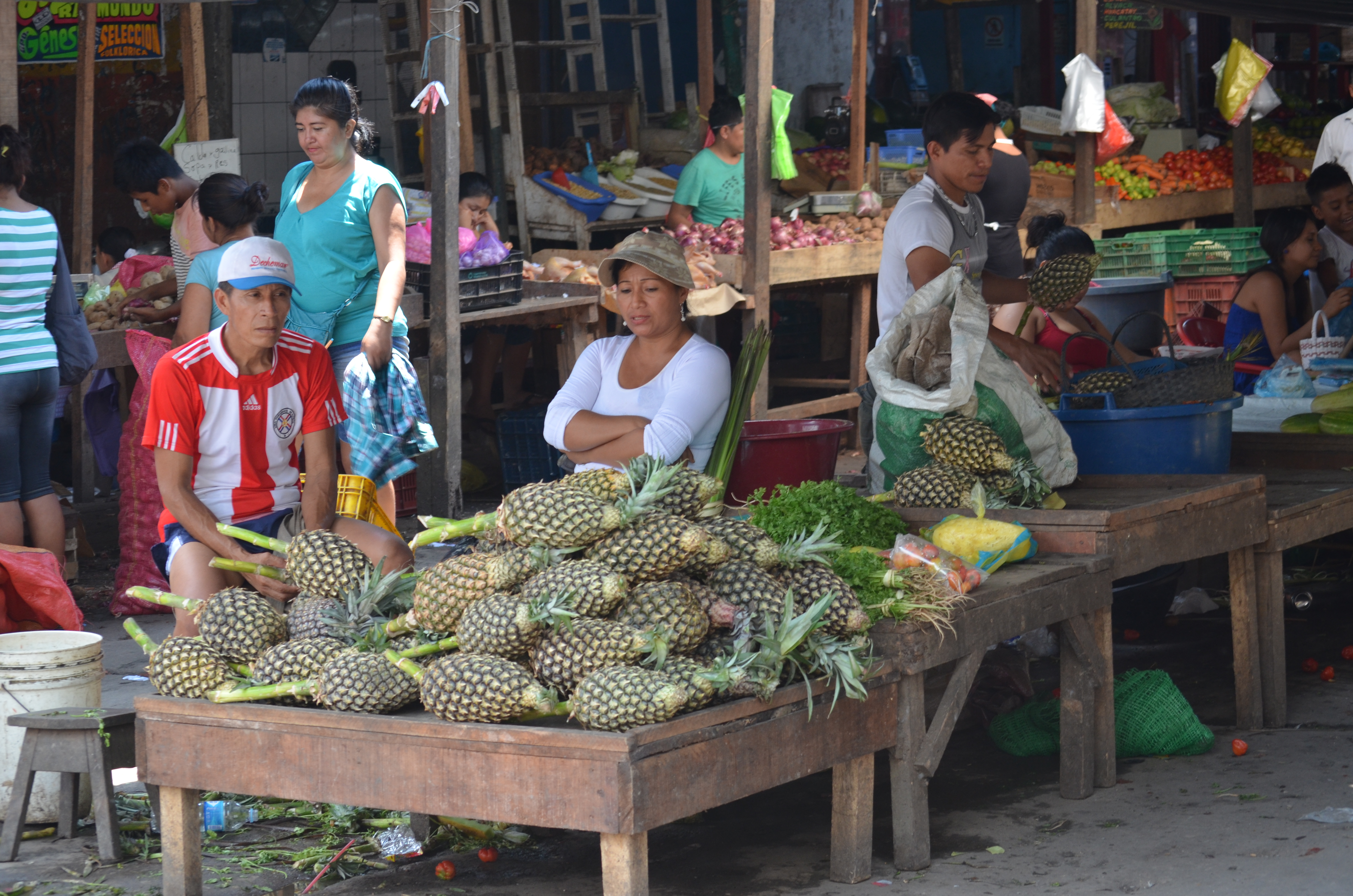
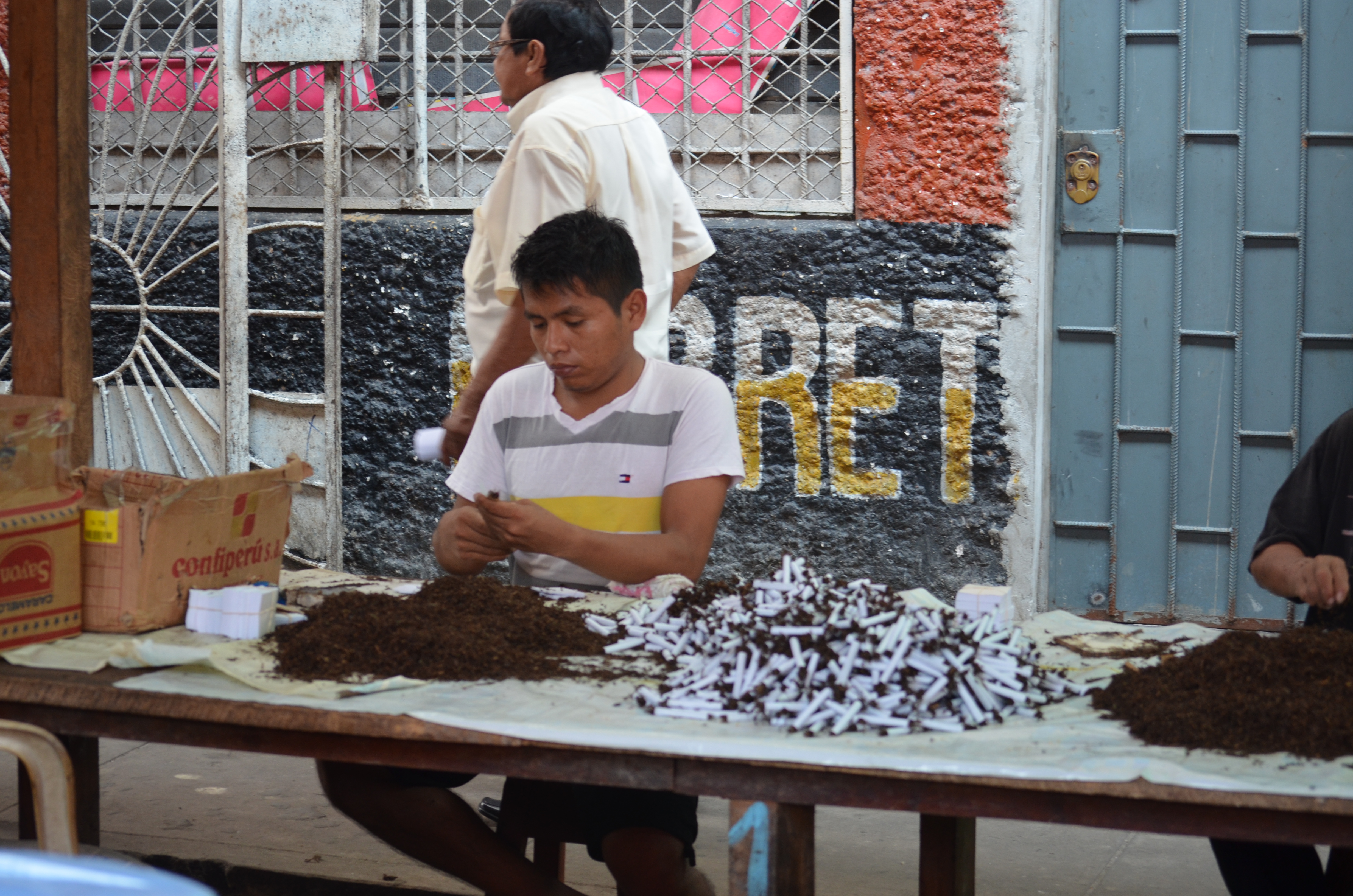
From there we hopped back in the motortaxi and made our way to Belen market. If you’ve never experienced an open air market in another country, this one could definitely be quite overwhelming. Our guide took us through the part of it, but it was far too large to visit without many hours. It just stretched on and on forever! He made sure to guide us away from the unsafe parts where drugs were being sold and things like that. Walking through the medicinal section was quite educational as it was full of different plants, potions and animal parts believed to heal any ailment you may have. Other sections were full of clothes and shoes and accessories while still others served as the actual food market. We saw everything from the normal fruits and spices to cigarettes being freshly rolled to turtles sliced wide open with their eggs for sale beside them to crocodile (alligator?) heads and tails available for purchase to eat. The smells were strong and the sanitation levels definitely were not. We probably spent about 45 minutes in there and that was enough for me. I was eager for some fresh air and to be away from all the bloody meat by the end of it. Not to mention it was packed with people! Try to get there in the morning before it’s really full if you go to visit.
All in all I would say seeing Belen was a cool aspect of Iquitos because it’s such an important part of the city. But it’s not for the typical tourist and not something I have any desire to go see again. If we were to head back to Iquitos, visiting Belen would be at the bottom of my list. Was it worth it hiring a guide? Honestly, I’m not really sure if we would have been in much danger while in the market. But he was very helpful with navigating around because it was extremely confusing. It wasn’t too expensive, I think maybe around 100 soles, and the peace of mind was worth it to me. So if you do venture out I think I would suggest having a guide for yourself as well.
 Fire Round the World